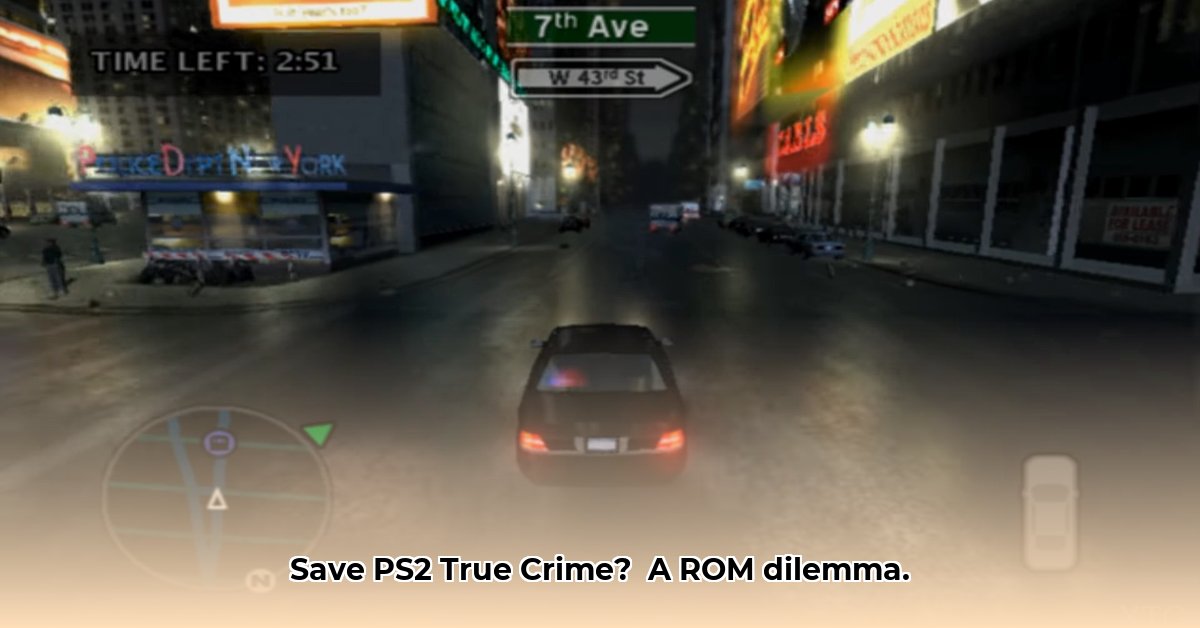
The Digital Ghost in the Machine: True Crime: New York City and the Fight to Save Video Game History
The flickering glow of a PlayStation 2, the satisfying click of a disc sliding into place—these are memories many gamers cherish. But accessing those beloved titles, like True Crime: New York City, is becoming increasingly difficult. Original consoles are failing, discs scratch, and finding physical copies is a treasure hunt. This has led many to seek out PS2 ROMs (digital copies of games), raising complex questions about legality, ethics, and the crucial task of video game preservation. The ease with which True Crime: New York City ROMs can be found online highlights a critical problem: our failure to adequately safeguard our video game heritage. Is this digital abundance a victory or a symptom of a deeper issue?
Navigating the Legal Labyrinth: ROMs and Copyright
Downloading copyrighted material, including PS2 ROMs of games like True Crime: New York City, without permission is illegal. The legal landscape surrounding ROM distribution is undeniably complex. Publishers hold the copyright, but a passionate community champions the preservation of gaming history. This conflict creates a moral gray area. Where do we draw the line between preserving cultural artifacts and respecting intellectual property rights? The debate involves publishers, preservationists, and gamers, each with valid concerns. This isn't just about True Crime: New York City; it's about countless games at risk of vanishing from our digital landscape. How can we balance these competing interests? Isn't there a way to ensure our collective gaming heritage isn't lost to time?
The Unsung Heroes: Preservationists Fighting the Good Fight
Behind the readily available ROMs lies a dedicated community. Emulator developers, archivists, and passionate gamers are tirelessly preserving our digital past. They encounter significant technical hurdles—emulation isn't perfect— and face constant legal threats. These "digital archaeologists" are essential to safeguarding our gaming heritage, working against the odds to ensure that titles like True Crime: New York City remain accessible. Their efforts, while often unseen, are critical for ensuring our digital heritage isn't lost. But are their efforts enough? How can we better support these unsung heroes who are fighting so hard to preserve our gaming history?
The Technological Tightrope: The Challenges of Emulation
Emulating a game like True Crime: New York City is far from simple. Specialized hardware and software are necessary, and even then, compatibility issues are common. Perfect emulation remains elusive. This technical barrier creates a significant obstacle to access, further highlighting the need for more robust preservation methods. This isn't just a matter of clicking a button; it requires a deeper technical understanding. How can we make these incredible games more accessible to everyone, regardless of their technical skills?
The Future of Game Preservation: Charting a Course Through Uncertain Waters
Several avenues exist to preserve our gaming history. Official digital re-releases (through services like PlayStation Plus Premium or official digital stores) offer a clear, legal path to accessibility. Moreover, dedicated digital archives (potentially partnered with museums and academic institutions) could ensure the long-term preservation of game files, functioning akin to libraries holding physical books. Could cloud gaming services ultimately be the answer and potentially avoid the problems associated with digital distribution? Each solution has its own challenges and requires financial investment as well as legal workarounds and collaboration. The task is significant but not insurmountable. What collaborations are needed to create a sustainable future for video game preservation?
Taking Action: How You Can Help Preserve Gaming History
Preserving our digital heritage isn't a passive act; it requires active participation. Here are some concrete steps to help protect games like True Crime: New York City:
Support Official Re-releases: Purchase digital re-releases when available from publishers. This directly supports the developers and provides revenue for future preservation efforts. Such official support has a direct impact on game preservation.
Donate to Preservation Archives: Support organizations dedicated to archiving video games. Their work safeguards our shared history, ensuring future generations will have access to classics like True Crime: New York City.
Advocate for Digital Rights: Get involved by contacting your representatives to support legislation that protects the preservation of digital cultural heritage. Speak up for preserving our historical archives.
Contribute to Open-Source Projects: If you possess the technical skills, consider contributing to open-source emulator projects. This type of action directly supports the community effort to keep retro gaming accessible.
How to Legally Preserve Old PlayStation 2 Games
The legal preservation of PS2 games, while challenging, is achievable. Focus on creating personal backups of games legally owned, following all copyright regulations and respecting licensing agreements. Utilize reputable software for creating backups and ensure these backups are stored in a secure, protected location. Always err on the side of caution and respect copyright law.
Conclusion:
The fight to preserve our video game heritage is a multifaceted challenge. The abundance of True Crime: New York City ROMs online highlights both the ease of access and the urgent need for responsible preservation efforts. Through a combination of official re-releases, community support, and responsible archiving practices, we can ensure future generations can appreciate classic games. The survival of our gaming legacy requires a collective effort – a commitment to finding ways to preserve these important digital artifacts for years to come.
